
The Case for a Daily Walk — No Step Goal Required
Why a simple, pressure-free stroll is one of the easiest wellbeing wins there is — no targets, trackers, or training plan.
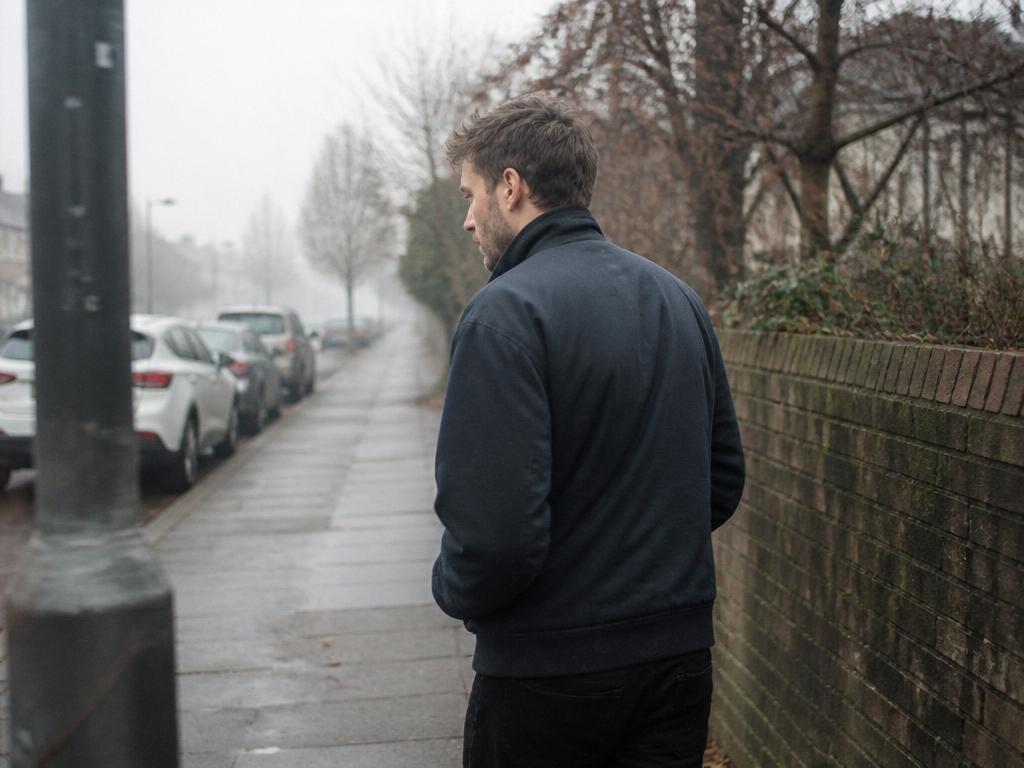
A daily walk might be the most underrated thing you can do for how you feel. No gym, no gear, no goal — just stepping outside and putting one foot in front of the other. Its quiet power is easy to overlook precisely because it’s so simple.
Mood, body, and a daily walk
Walking is gentle, but its effects ripple in lots of directions at once. On the body, a regular walk is a kind, accessible way to keep moving — it gets you out of the chair, eases stiffness, and supports general physical wellbeing without the intensity or risk of harder exercise. It’s about as approachable as movement gets.
The effect on mood is just as worth noting. Many people find that a walk reliably lifts their spirits and clears their head — a stretch of fresh air and gentle motion that tends to leave them calmer and a little brighter than when they set out. Movement, daylight, and a change of scene each nudge mood in a good direction, and a walk quietly delivers all three at once.
There’s a mental clarity to it, too. Walking has a way of loosening tangled thoughts; problems that felt knotted at your desk often soften somewhere along the route. It’s no accident that so many people do their best thinking on foot.
What makes all of this so appealing is the ratio of effort to reward. For something that asks so little — no skill, no equipment, no special place — a daily walk gives back a surprising amount across body and mind.
Making it a habit, not a chore
The risk with any wellbeing practice is turning it into one more demanding item on the list — and walking is at its best when it stays light. The moment it becomes a rigid target to hit or a box to tick, much of the ease that makes it so sustainable starts to drain away.
This is the case for a walk without a step goal. Numbers and trackers can be motivating for some, but they can also turn a pleasant stroll into a performance, complete with the small guilt of falling short. A walk you take simply because it feels good is one you’re far more likely to keep, day after day, for years.
To make a daily walk a gentle habit rather than a chore:
- Anchor it to your day. Tie it to something you already do — after a meal, on the way somewhere, at a regular break — so it slots in naturally.
- Keep it flexible. A short amble counts as much as a long march. The point is the walking, not the distance.
- Let it be pleasant. Walk somewhere you enjoy, at a comfortable pace. This is for you, not a target.
- Drop the pressure to track. If counting steps adds stress rather than motivation, simply don’t. A walk that happened is a success.
| Walk as a chore | Walk as a gentle habit |
|---|---|
| Chasing a number, guilt if you miss it | Going because it feels good |
| Must be a certain length to “count” | Any walk counts |
| One more obligation | A small daily pleasure |
Walking with others or alone
Part of a walk’s charm is how easily it bends to your mood and circumstances. Some days you’ll want company; other days, solitude. Both have something to offer, and there’s no right answer — only what suits you on a given day.
Walking with others turns the habit into connection. A stroll with a friend, partner, family member, or even a regular walking companion blends gentle movement with conversation and time together. It can also make the habit stickier — a standing walk with someone is easy to look forward to and harder to skip. For many, the social side is the part that keeps them coming back.
Walking alone offers a different kind of nourishment: a pocket of solitude in a full day. A solo walk can be a moving meditation — a chance to let your thoughts wander, decompress, notice your surroundings, or simply enjoy your own company. For an overstimulated mind, that quiet stretch can be deeply restorative.
A few gentle ideas:
- Mix it up. Some social walks, some solo ones, depending on what you need that day.
- Use solo walks to unwind. Leave the goals behind and let it be unstructured time for your mind to settle.
- Use social walks to connect. Suggest a walking catch-up instead of sitting down — movement and connection together.
- Either way, keep it easy. The best walk is the one you’ll actually take, in whatever form fits the moment.
A gentle note: if low mood or anxiety lingers and a daily walk, lovely as it is, doesn’t seem to lift it, please consider reaching out to a doctor or qualified professional. A walk is a wonderful support for everyday wellbeing, but it isn’t a substitute for care when something heavier is going on.
The bottom line
A daily walk asks almost nothing and gives back a great deal — gentle movement for the body, a lift for the mood, and a little clarity for the mind. Keep it free of step goals and pressure, anchor it to your day, and let it be a pleasure rather than a chore. Walk with others for connection or alone to unwind; whichever you choose, the simple act of getting outside on foot is one of the easiest wellbeing wins there is.