
Decluttering for a Calmer Mind: Start With One Drawer
How tidying small spaces can quietly lighten your mental load — starting with a single drawer instead of the whole house.
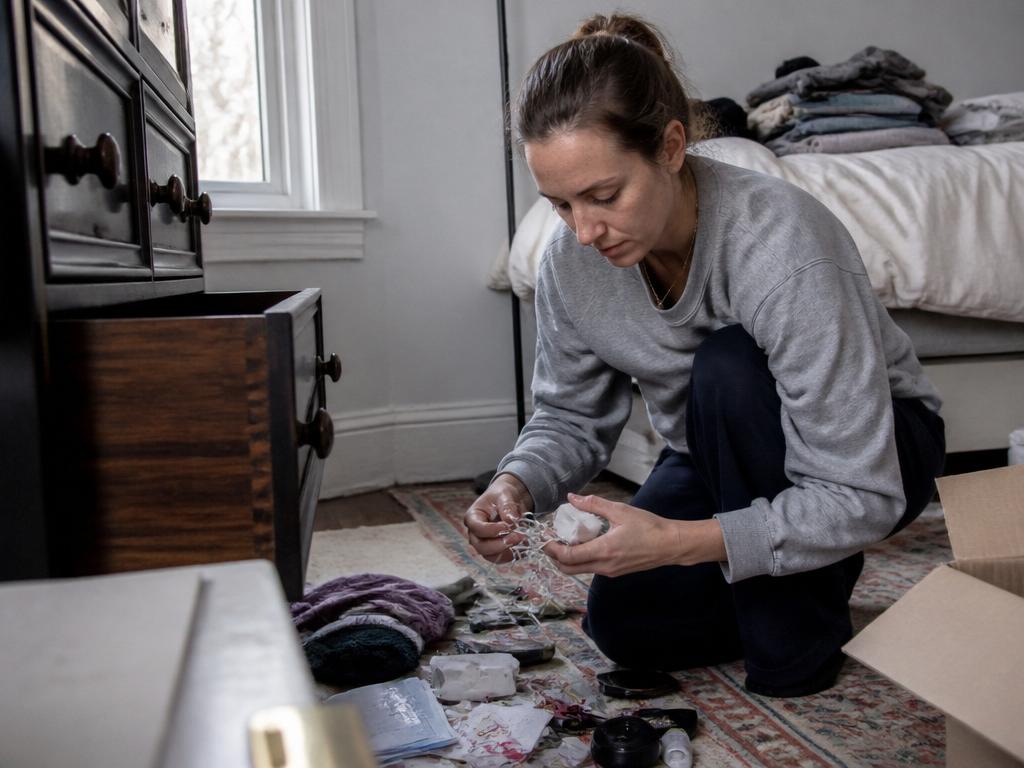
Decluttering promises a calmer home, but the scale of it often does the opposite — one look at the whole house and you feel more overwhelmed, not less. The way through is almost comically small: start with a single drawer.
The clutter-and-stress link
Most of us have felt it: a cluttered, chaotic space can leave the mind feeling cluttered and chaotic too. Our surroundings and our inner state are quietly linked, and visual mess tends to add a low hum of background stress — a sense of too much to deal with, even when we’re not actively dealing with it.
There are a few gentle reasons this happens. Clutter pulls at our attention, a constant flicker of unfinished business in our peripheral vision. It can carry a faint weight of guilt or “I should sort that out.” And a disordered space can make it harder to relax, because part of us stays subtly on alert. None of this is a moral failing — it’s just how environments and minds interact.
The flip side is the encouraging part: tidying even a small space can lift some of that weight. A clearer surface or an organized drawer tends to bring a disproportionate sense of calm and control, a small but real exhale. You don’t have to transform your whole home to feel the benefit — small pockets of order ripple outward more than you’d expect.
The one-small-area method
The reason most decluttering efforts stall is ambition. Setting out to declutter the entire house is so daunting that we either never start or burn out halfway, leaving things worse than before. The antidote is to shrink the task until it’s almost too small to resist: pick one small area and only that.
A single drawer. One shelf. A corner of the kitchen counter. A small basket of odds and ends. The point is to choose something so contained that you could finish it in a short sitting and feel a clear, satisfying result. That little win is what makes the method work — it gives you a taste of the calm that order brings, which tends to motivate the next small area naturally.
How to use the one-small-area method gently:
- Pick one tiny zone. Choose the smallest meaningful space — a drawer, not a room.
- Finish it completely. The satisfaction comes from one fully cleared, tidy spot, however small.
- Keep sessions short. A brief, contained burst beats an exhausting marathon you dread repeating.
- Let momentum decide the pace. Some days one drawer is plenty; some days finishing it makes you want to do one more. Either is fine.
| Overwhelming approach | One-small-area approach |
|---|---|
| ”Declutter the whole house" | "Just this one drawer today” |
| Daunting, easy to abandon | Doable, satisfying to finish |
| Burnout and mess left behind | A clear win and a small calm |
Working this way, the whole space gradually gets tidier through a series of small, manageable wins — without ever requiring a single overwhelming push.
Keeping it from creeping back
Anyone who’s tidied a space knows the quiet frustration of watching it slowly fill up again. Decluttering once is satisfying; keeping it that way is where the lasting calm lives. The good news is that maintenance, done gently, is far less effort than the initial clear-out.
The key is small, regular upkeep rather than occasional dramatic overhauls. A little tidying woven into ordinary life keeps clutter from reaching the overwhelming stage in the first place, so you rarely face a big mess again.
Some gentle habits to keep order from creeping back:
- A brief daily reset. A few minutes returning things to their place keeps small messes from snowballing.
- One in, roughly one out. Letting something go when something new comes in keeps the overall amount steady.
- Give things a home. Clutter often accumulates because items have nowhere to live; a defined spot makes tidying almost automatic.
- Tidy as you go. Putting a thing away right after using it is the lowest-effort maintenance there is.
The aim isn’t a showroom-perfect, minimalist home, and it certainly isn’t another source of stress. It’s simply keeping your spaces calm enough that they soothe rather than weigh on you. If decluttering ever starts to feel like a pressure or a chase for perfection, that’s a sign to ease off — the whole point is to feel lighter, not to add another standard to live up to.
A gentle note: clutter can sometimes feel genuinely impossible to manage, and if it’s tied to deeper distress or persistent overwhelm, that’s worth taking seriously and, if it would help, talking to a professional about. For most everyday mess, though, the gentle one-small-area approach is a quietly powerful place to start.
The bottom line
A tidy space and a calmer mind tend to go together, and you don’t need a grand overhaul to feel it. Start with one small area — a single drawer — finish it completely, and let that small win carry you to the next. Keep order from creeping back with brief, regular upkeep rather than occasional big clear-outs. Done gently, decluttering is less a chore than a quiet way to lighten your mental load.