
Why You Feel Tired All the Time (Even After Sleeping)
If you're tired all the time even after sleeping, the culprit is usually light, hidden stress or fragmented nights — not the hours. Where to start.
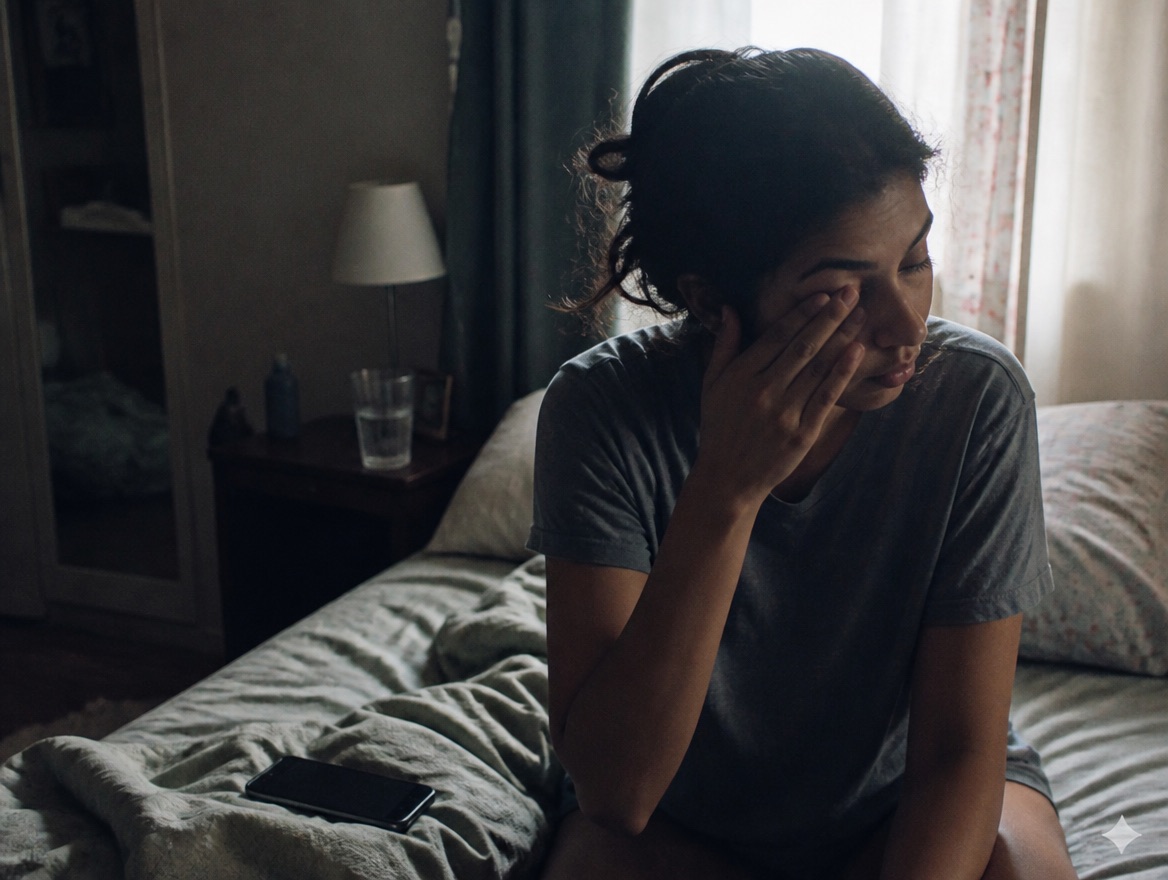
There’s a particular kind of tired that doesn’t match the numbers. You went to bed at a reasonable hour. Your phone says you slept seven or eight hours. And yet you wake up feeling like you barely rested — foggy by mid-morning, flat by afternoon, reaching for a third coffee you know you’ll regret.
If that sounds familiar, the first thing worth saying is that hours in bed and rest are not the same thing. You can spend eight hours horizontal and still be short-changed on the quality underneath. Much persistent fatigue that survives a full night comes down to a handful of usual suspects — and they’re often more addressable than they feel. That said, ongoing or unexplained fatigue is worth raising with a clinician.
Your sleep may be more broken than you know
The single most common reason a full night doesn’t deliver is that it wasn’t really a full night. Sleep that’s fragmented — interrupted by dozens of brief awakenings you don’t remember — leaves you groggy no matter what the clock says.
A few things quietly chop sleep into pieces:
- Sleep apnea. Repeated pauses in breathing pull you out of deep sleep again and again. Loud snoring, gasping, morning headaches, or a partner noticing you stop breathing are worth taking seriously — this is a medical issue, not a quirk.
- Alcohol. A nightcap helps you fall asleep faster, then wrecks the second half of the night as it metabolizes. You wake more, dream less, and rise unrefreshed.
- Screens and late light. Scrolling in bed keeps the brain in input mode and delays the settling-down process, so the sleep you do get starts later and shallower.
- Frequent wakings from a warm room, a full bladder, noise, or a restless pet. Each one is small; together they add up.
The tricky part is that you often can’t feel this from the inside. If you sleep enough hours but wake unrefreshed most days — especially with snoring in the picture — a conversation with a clinician about a sleep study is a reasonable next step.
Light is running your energy in the background
Your body keeps time using light, and most modern days send it the wrong signals at both ends.
In the morning, we go from a dark bedroom straight to a dim indoor office, never catching the bright outdoor light that tells the brain the day has started. In the evening, we sit under bright overhead lighting and glowing screens long past sunset, telling the brain it’s still afternoon. The result is a body clock that’s blurry and late — so you feel groggy when you should feel alert, and wired when you should feel sleepy.
The adjustment is almost embarrassingly low-tech: more bright light early, less bright light late. Even an overcast sky outdoors is many times brighter than a well-lit room, which is why stepping outside beats sitting by a lamp.
Stress you’ve stopped noticing
Not all fatigue comes from the night. A lot of it comes from a nervous system that never quite powers down.
Chronic, low-grade stress — the kind that hums under a busy job, money worries, or caregiving — keeps the body in a mild state of alert. Cortisol, the main stress hormone, is supposed to rise in the morning and fall across the day. When stress is constant, that curve flattens or shifts, and you end up tired-but-wired: exhausted at your desk, then oddly alert at bedtime.
This kind of tiredness is easy to miss because it feels like you, not like a problem. But if your rest hours are fine and you still feel drained, the load you’re carrying while awake deserves a look. It’s also worth knowing that persistent low mood and loss of interest can show up first as fatigue — depression is a real and common cause of feeling tired all the time. If that resonates, it’s a conversation worth having with a doctor or mental-health professional — it’s a treatable condition.
The unglamorous basics: water, movement, caffeine
A few ordinary things move the needle more than people expect.
- Hydration. Mild dehydration reads a lot like fatigue — heavy limbs, a dull head, flagging concentration — and many people run slightly low by mid-afternoon without noticing. Water helps; when you’re sweating, sick, or in heat, the sodium and potassium you lose matter too, since electrolytes are part of how your body holds onto the fluid you drink.
- Movement. It’s counterintuitive, but sitting still all day tends to make you more tired, not less. A sedentary body de-conditions, and light regular activity is one of the more reliable ways to lift daytime energy.
- Caffeine timing. Caffeine has a long tail — a meaningful chunk is still in your system six to eight hours later. An afternoon coffee can quietly thin your sleep that night, which makes you reach for more coffee the next day. It’s a loop worth breaking by moving your last cup earlier.
When it’s worth ruling out something medical
Sometimes the tiredness isn’t about habits at all. Several common, checkable conditions have fatigue as their headline symptom:
- Low iron (anemia) — especially common in menstruating women.
- Low vitamin B12 or vitamin D.
- An underactive thyroid, which slows everything down.
- Blood sugar issues and some medications.
None of these can be diagnosed by feel, and none of them respond to more morning light. The point isn’t to worry — it’s to ask your doctor about a simple blood panel rather than self-diagnose or guess for months.
See a clinician if your fatigue has lasted several weeks, is getting worse, or comes with other symptoms: breathlessness, unexplained weight change, low mood, heavy snoring with daytime sleepiness, or feeling tired no matter how much you sleep. Persistent unexplained exhaustion is a signal, and it’s worth listening to.
Where to start
You don’t need to fix all of this at once. In roughly this order:
- Get bright light early. Ten to twenty minutes outside within an hour of waking — coffee on the step, a short walk, the dog.
- Anchor your wake time. A steady get-up time, even on weekends, steadies the whole clock more than a fixed bedtime does.
- Move a little, often. A short walk after lunch beats another coffee for the afternoon slump.
- Drink before you’re parched, and don’t let the last coffee slide past early afternoon.
- Guard the last hour — dim the lights, put the phone down, skip the nightcap.
Give it two or three weeks. If mornings are still a wall after that, that’s your cue to book the blood test and the honest conversation — not to try harder alone.