
Box Breathing and Other 5-Minute Calm-Down Techniques
A few quick, gentle breathing tools you can reach for in an overwhelmed moment — no equipment, no experience needed.
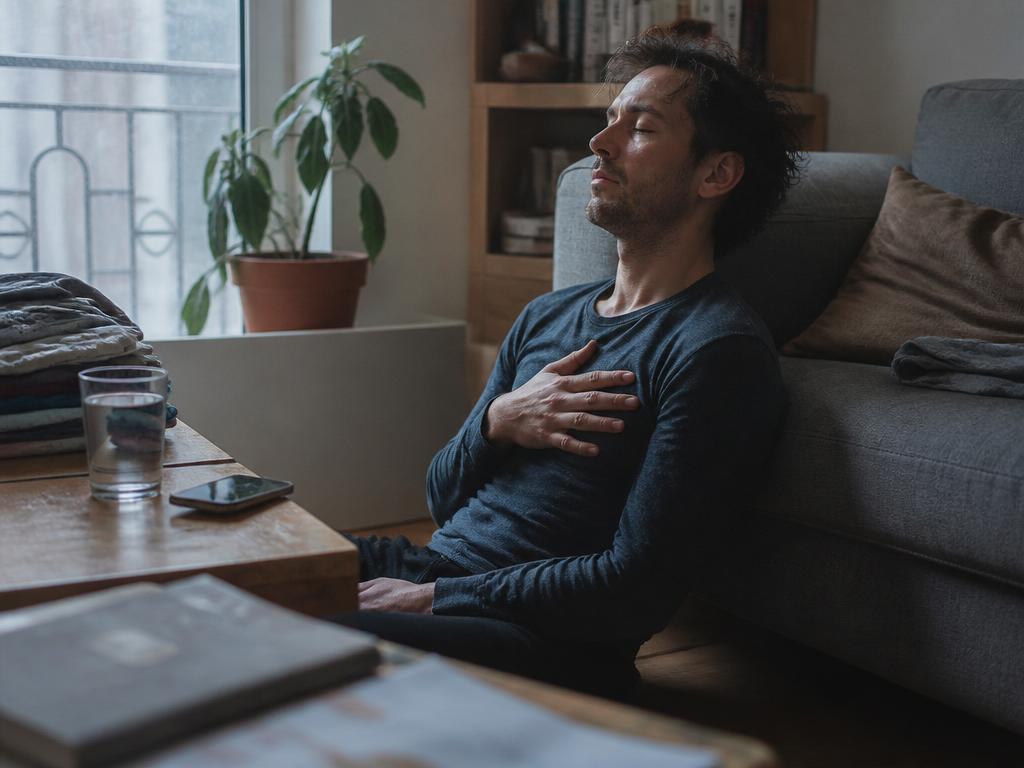
When stress spikes, your breath is one of the few things you can change instantly — no app, no quiet room, no special skill required. A few minutes of slow, deliberate breathing can take the edge off a tense moment surprisingly quickly.
How slow breathing calms the body
When we feel stressed or anxious, the body shifts into a kind of alert mode: the heart picks up, the breath turns shallow and quick, and the mind starts to race. It’s an old survival response, and it’s not something you can simply argue yourself out of.
Breathing is the back door into that system. Slow, steady breathing — especially a longer, gentler out-breath — sends a quiet signal to the body that the threat has passed and it’s safe to settle. As the breath slows, the body tends to follow, easing out of high alert and back toward calm.
What makes this so useful is that it’s always available. You can’t always change a stressful situation, but you can almost always change how you’re breathing through it. That small lever often gives you just enough steadiness to think more clearly.
A couple of gentle principles before you start:
- Don’t strain. This isn’t about big, forceful breaths. Comfortable and slow beats deep and effortful.
- Let the exhale lead. A relaxed, slightly longer out-breath is the part that tends to soothe.
Box breathing, step by step
Box breathing is a simple, structured pattern that’s easy to remember because each part is the same length — like the four equal sides of a box. The even rhythm gives a busy mind something steady to hold onto.
Here’s the basic shape. Pick a slow, comfortable count that feels easy for you, and keep it the same for each step:
- Breathe in gently through your nose, for your chosen count.
- Hold softly, for the same count.
- Breathe out slowly, for the same count.
- Hold again, for the same count.
- Repeat the cycle for a few rounds, or until you feel a little calmer.
| Step | What you’re doing |
|---|---|
| In | Slow inhale through the nose |
| Hold | A gentle, easy pause |
| Out | Slow, relaxed exhale |
| Hold | Another gentle pause |
If the holds feel uncomfortable or make you tense, shorten them or drop them entirely — comfort matters more than precision. The goal is steadiness, not a perfect square.
Two more techniques to try
Box breathing isn’t the only option, and different methods suit different moments. Here are two more to keep in your back pocket.
Longer-exhale breathing. This one strips things back to the essential idea: make your out-breath a touch longer than your in-breath. Breathe in slowly, then let the exhale stretch out gently and completely. There’s no counting to remember — just a calm, unhurried rhythm with the emphasis on letting go on each out-breath. It’s discreet enough to do in a meeting or a crowded room without anyone noticing.
Grounding breath with the senses. When the mind is racing, pairing the breath with your surroundings can help you land back in the present. As you breathe slowly, gently notice a few things you can see, hear, or feel — the chair beneath you, a sound in the room, the air on your skin. You’re not trying to analyze anything, just anchoring your attention somewhere steady while your breath does its quiet work.
A few tips to help any of these stick:
- Practice when you’re calm. A technique is easier to reach for in a hard moment if you’ve tried it during easy ones.
- Keep expectations gentle. The aim is to take the edge off, not to switch stress off like a light.
- Use them early. A few slow breaths at the first flicker of tension often work better than waiting until you’re overwhelmed.
These tools are a wonderful first response, but they’re not a replacement for support with bigger struggles. If anxiety or stress is frequent, intense, or interfering with your daily life, please consider reaching out to a doctor or qualified mental-health professional. Breathing can steady a moment; ongoing difficulties deserve real, compassionate care.
The bottom line
Your breath is a calm-down tool you carry everywhere. Slow it down, let the exhale lead, and the body tends to ease out of high alert. Box breathing offers a steadying rhythm, and a longer exhale or a sense-based grounding breath can help in other moments. Practice them gently, use them early, and lean on professional support when stress runs deeper than a single hard hour.