
Why You Wake at 3 a.m. — and How to Get Back to Sleep
Middle-of-the-night waking is more normal than it feels. Here's how to calm the spiral and ease back to rest.
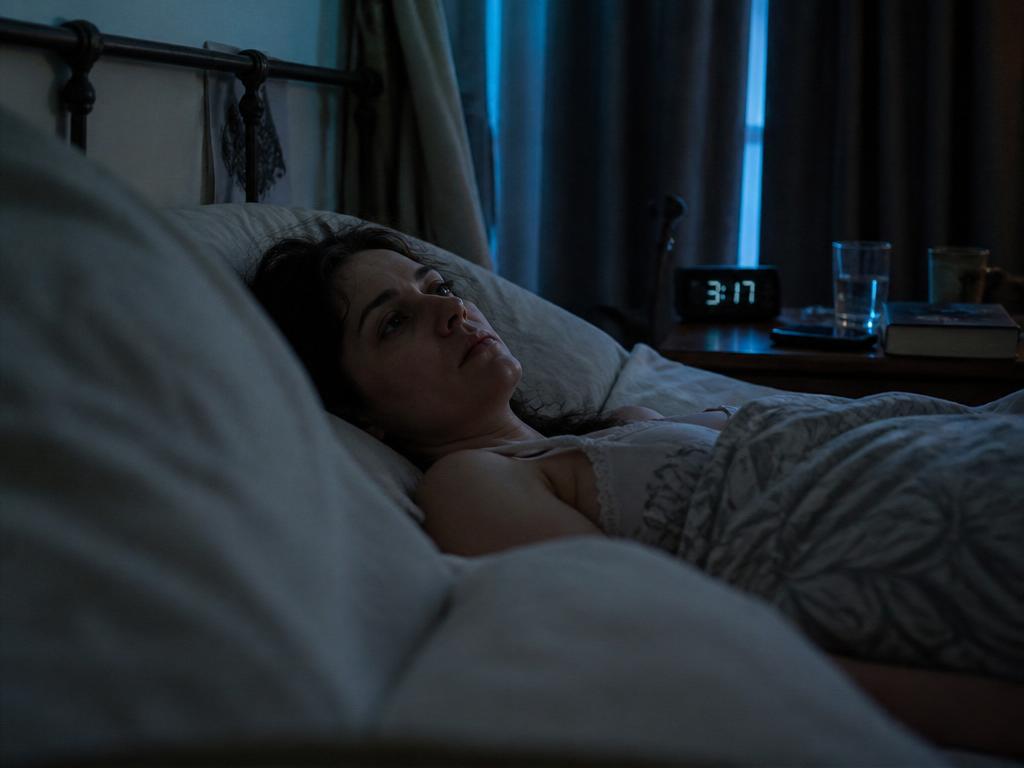
You surface in the dark, glance at the clock, and there it is — somewhere around three in the morning, wide awake. The waking itself is rarely the problem. What we do next usually is.
Why brief waking is normal
Sleep isn’t one long, unbroken stretch. It moves in cycles through the night, and at the end of each cycle we drift close to the surface. Most of the time we turn over and slip straight back down without ever remembering it.
Some nights, though, we wake fully and stay there. This can happen for all sorts of ordinary reasons — a warm room, a noise outside, a full bladder, a busy mind, the natural lightening of sleep in the second half of the night. It tends to feel alarming mainly because it’s dark, quiet, and we’re alone with our thoughts.
The reassuring part: occasional night waking is a normal feature of human sleep, not a sign that something has gone wrong. Knowing that can take some of the heat out of the moment, because the panic is often what keeps us awake far longer than the waking ever would.
Calming the “now I’m awake” panic
The trouble usually starts with the second thought. I’m awake. I’ll be exhausted tomorrow. Why does this always happen? That spiral floods the body with a low hum of stress — exactly the state that makes sleep impossible.
The aim isn’t to force yourself back to sleep. It’s to make yourself calm enough that sleep can return on its own. A few gentle approaches:
- Resist the clock. Checking the time invites math and worry. Turn it away from you.
- Slow your breathing. Let the out-breath be a little longer than the in-breath, for a few rounds. A slow exhale gently nudges the body toward rest.
- Loosen the pressure. Tell yourself that simply resting — eyes closed, body still — is restorative, even if sleep doesn’t come right away. Taking the pressure off often lets sleep sneak back in.
- Give your mind something dull. A quiet, repetitive focus — your breath, the weight of the blankets, slowly counting backward — keeps the worried mind from running.
If anxious thoughts keep crowding in, it can help to name them and set them aside: that’s a tomorrow problem. You’re not solving anything useful at 3 a.m., and your daytime self is far better equipped for it.
When to get up vs. stay put
Sometimes lying there works. Sometimes it just turns into a frustrating, sweaty wrestlessness. A loose rule of thumb: if you’ve been awake for a while and you’re growing tense rather than drowsy, it’s often better to get up briefly than to keep fighting it in bed.
Here’s a simple way to decide.
| If you feel… | Try… |
|---|---|
| Calm and drowsy | Staying put, eyes closed, breathing slowly |
| Tense, frustrated, fully alert | Getting up for a short, quiet activity |
If you do get up, keep it boring and dim:
- Move to another room if you can, with low light.
- Read a few pages of something undemanding, or sit quietly.
- Avoid bright screens, stimulating content, and anything that pulls you fully awake.
- Head back to bed once you feel sleepy again.
The point is to keep your bed associated with rest rather than with lying awake and frustrated. A short reset can break the cycle so you return to bed genuinely sleepy.
A gentle note: if you’re waking most nights and unable to get back to sleep, or if the broken sleep is leaving you persistently exhausted, anxious, or low, it’s worth talking to a doctor or qualified professional. Ongoing insomnia is common and very treatable, and there are supportive, effective options well beyond simply trying harder.
The bottom line
Waking in the night is part of how human sleep works, not a personal failing. The real skill is in your response — easing off the clock, slowing your breath, and letting rest return without force. Be patient and kind with yourself in those dark, quiet minutes. More often than not, calm comes first, and sleep follows close behind.